
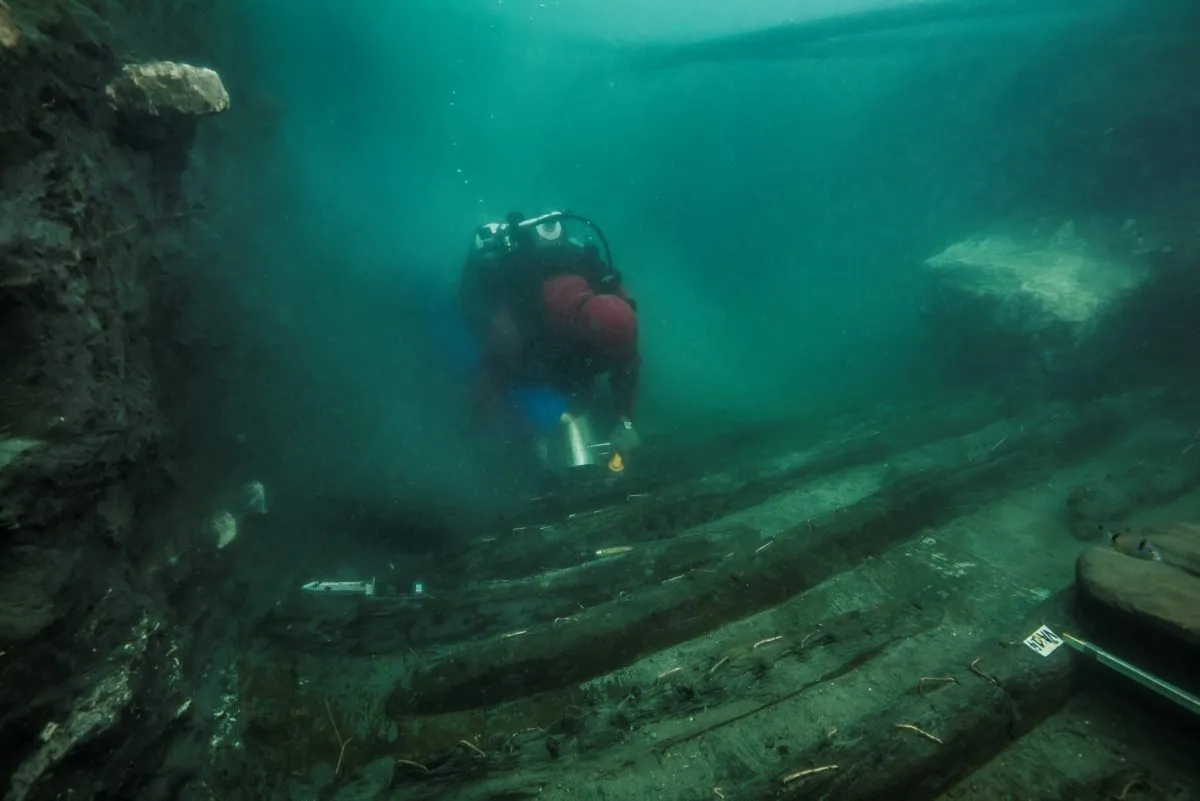
No, Thonis-Heracleion is not Atlantis, although it truly is a lost city.
The ancient Egyptian port was inhabited for hundreds of years before Alexander the Great founded the nearby city of Alexandria in 331 B.C. after his army’s conquest of Egypt. Though not the legendary sunken city of Plato’s imagination, Thonis-Heracleion has a history strikingly similar to how the legend of Atlantis ended — beneath the sea after an apocalyptic disaster.
French marine archaeologist Franck Goddio discovered Thonis-Heracleion in 1999, east of Alexandria in Abu Qir bay. Egyptians called the city Thonis. Its Greek inhabitants called it Heracleion.
In a recent interview with The Guardian, Goddio, who is head of the European Institute for Underwater Archaeology, or IEASM, described the discovery of 2,400-year-old baskets of ancient doum palm fruit, still sealed and relatively intact — though definitely not safe for consumption — a testament to the site’s remarkably preserved condition.
The IEASM has extensively researched the site for the last two decades, but Goddio estimates that they’ve only discovered some 3% of the artifacts likely remaining there.
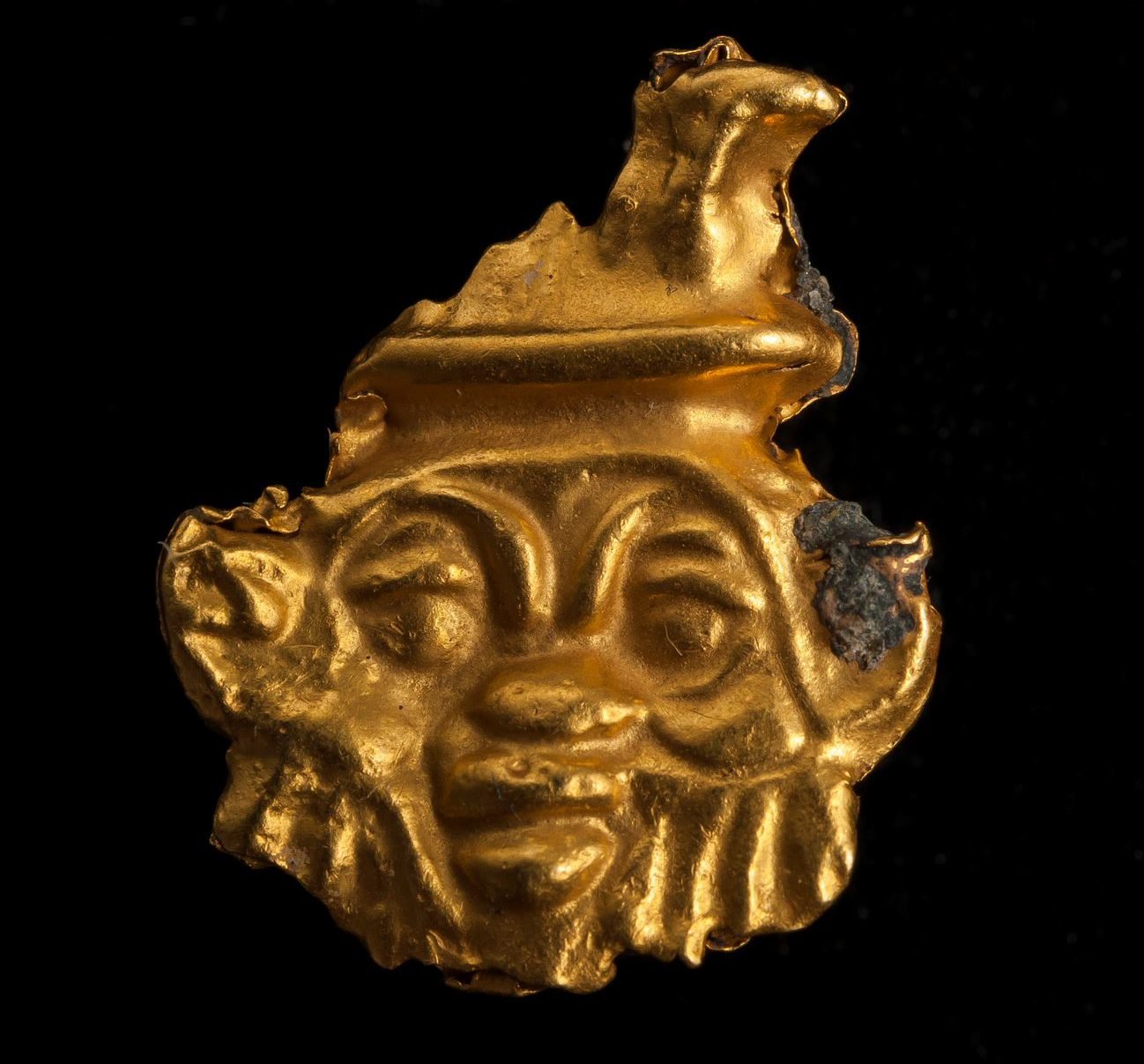
In the interview, Goddio described finding evidence that suggested extensive burning, possibly in connection to funeral rites. According to what archaeologists have found at the underwater site, Thonis-Heracleion was a major religious center, with temples dedicated to Zeus, Hercules, and the Egyptian god Amun.
The burned temple goods appeared “to have been sealed for hundreds of years as none of the artefacts found were from later than the early fourth century, even though the city lived on for several hundred years,” according to what Goddio told The Guardian.
Goddio added: “That site has been used maybe one time, never touched before, never touched after, for a reason that we cannot understand for the time being. It’s a big mystery.”
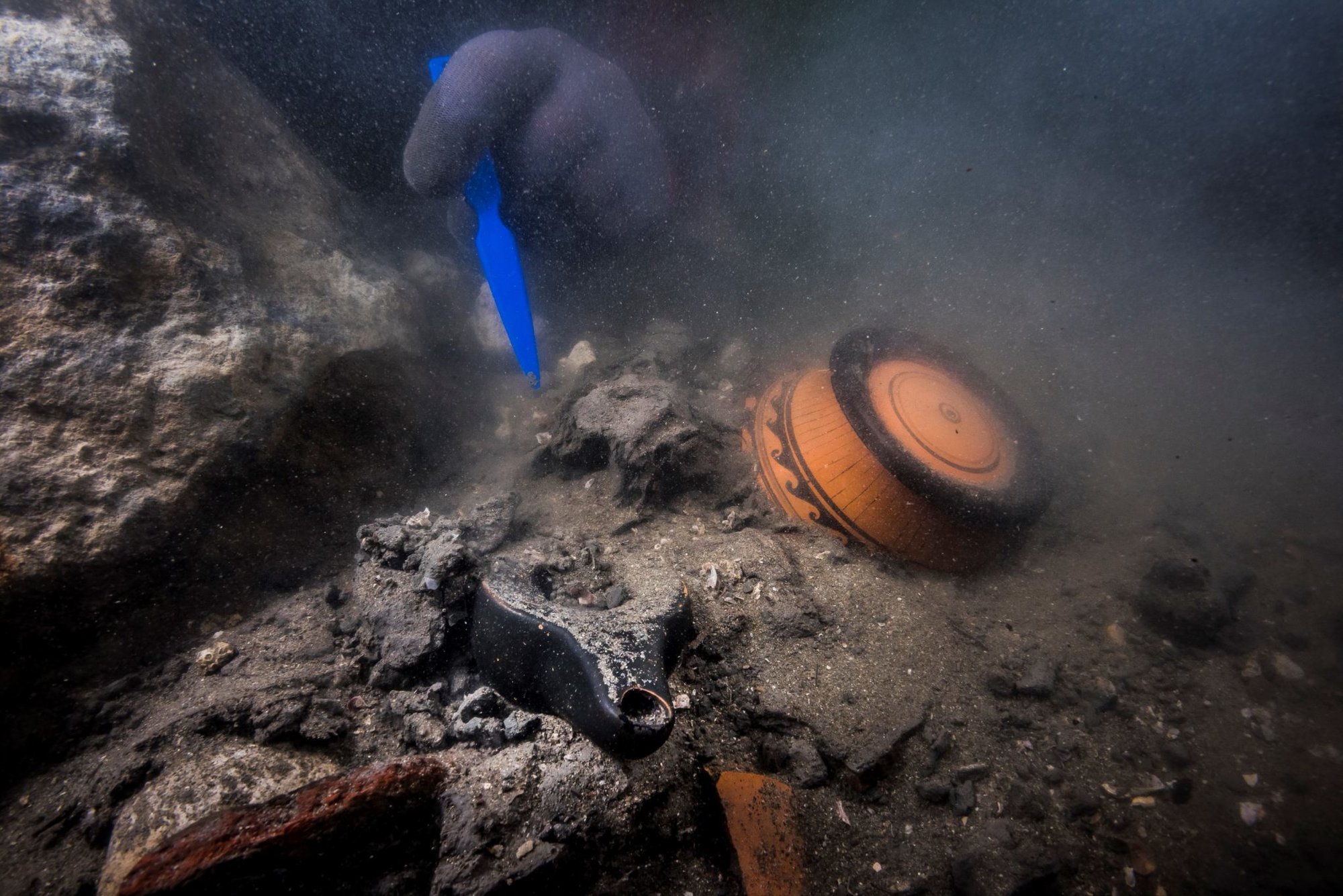
Archaeologists also located the shipwreck of a Ptolemaic galley called a “baris” — a ship built to navigate the shallow waters of the Nile delta. The galley sank after the temple of Amun’s colossal stones hit the ship as the structure crumbled dramatically during a cataclysmic earthquake in the second century B.C.
“The finds of fast galleys from this period remain extremely rare,” Goddio said in a July newsletter. “This long boat was flat-bottomed and had a flat keel, which was quite advantageous for navigation on the Nile and in the Delta.”
Around 150 B.C., an earthquake followed by a massive tidal wave spectacularly annihilated Thonis-Heracleion. The earthquake shook the ground so hard that water from the Mediterranean mixed with the soil, creating quicksand. In a phenomenon known as soil liquefaction, the city sunk into the newly formed quicksand.
Although the entire city sank into the liquified earth, some pieces survived. According to Goddio: “Some islands remained above water. In the sixth century A.D., a convent of nuns was built on one of those islets. But in the eighth century A.D., a second major earthquake totally destroyed the city.”
Goddio, who plans to continue researching the site, expects many new discoveries await beneath the submerged soil.
Read Next: