One dragged a wounded comrade through a trench system in Korea, killing enemy soldiers as he went. Another was a helicopter crew member in Vietnam who was left behind during a rescue mission and spent the next four days fighting on the ground. Four others fought together through the long night of the Battle of Mogadishu.
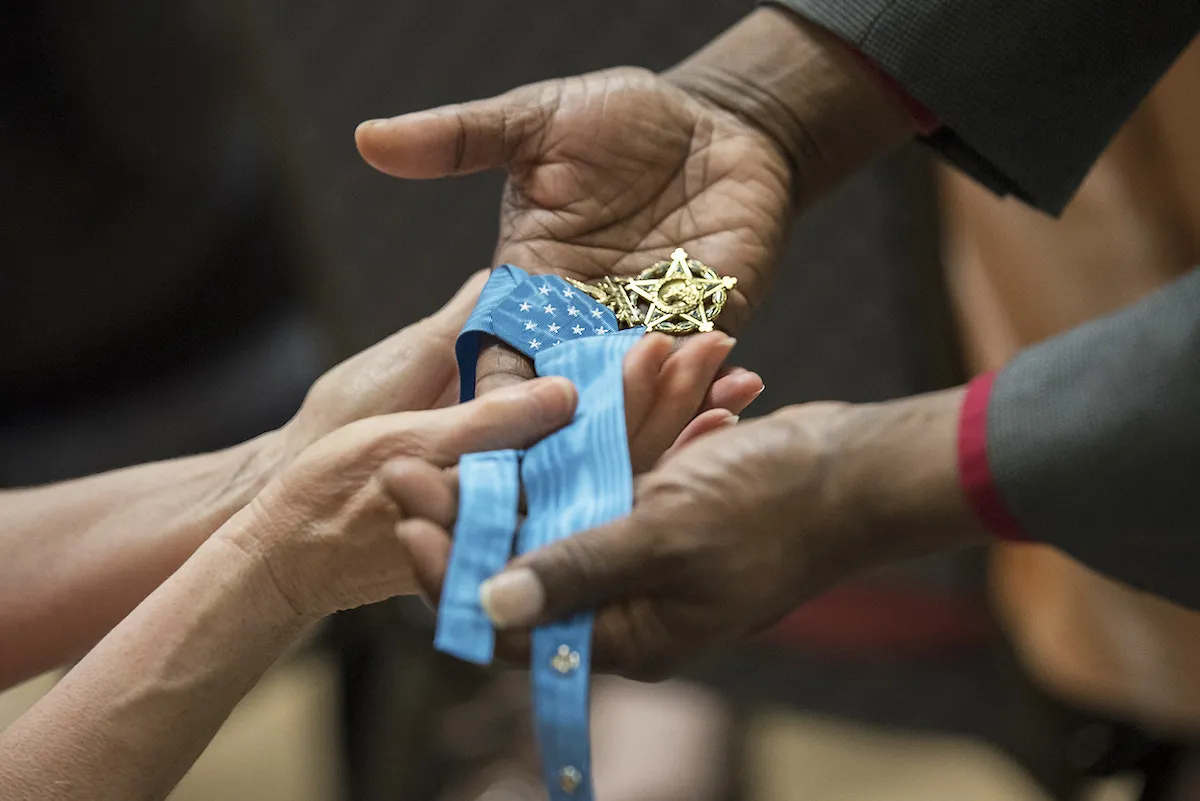
After recent action by Congress, nine soldiers may soon see valor awards from three different eras upgraded, including five soldiers from the Korean and Vietnam Wars who are now in line for the Medal of Honor. Four special operations soldiers who fought in the Battle of Mogadishu in 1993 may now see their valor awards for the gunfight upgraded to the Distinguished Service Cross.
Three of the five now eligible for the Medal of Honor, and one of the Mogadishu soldiers, died while fighting and were awarded posthumous Silver Stars or Distinguished Service Crosses. A fourth soldier survived the fight for which he is now under consideration for the Medal of Honor but was killed in later combat.
President Joe Biden signed the 2022 National Defense Authorization Act into law on Monday, Dec. 27, which included approval of the nine upgrades. Congressional action was needed because time limits on the awards had expired.
The potential Medal of Honor recipients are:
- Army Pfc. Charles R. Johnson, who was posthumously awarded the Silver Star for his actions in North Korea on June 11-12, 1953. Before he was killed in action, Johnson dragged one of his comrades through trenches despite being wounded himself as artillery, mortar, and small-arms fire impacted all around him. Along the way, he engaged with and killed multiple enemy soldiers in close combat, according to his award citation.
- Army Pfc. Wataru Nakamura, who was posthumously awarded the Distinguished Service Cross for his actions in Korea. In the early hours of May 18, 1951, Nakamura volunteered to inspect a damaged communications line. But the enemy soldiers had infiltrated friendly lines, and the young soldier came under a barrage of enemy fire. Nakamura assaulted a machine-gun crew with his carbine and bayonet, then attacked and destroyed two other enemy positions with grenades and small-arms fire. After his ammunition and grenades were expended, he fell back to rearm, briefing an officer before returning to the fight. He was killed during his second assault.
- Army Pvt. Bruno Orig, another Korean War soldier who was awarded the Distinguished Service Cross posthumously. On Feb. 15, 1951, Orig exposed himself to enemy fire during a hellacious battle to provide aid to his fellow men. Then Orig jumped behind a machine gun to provide covering fire so the wounded could be evacuated. He continued to lay down fire until his position was overrun, according to his award citation. Later that day, when the Army retook the position, Orig’s body was found beside the weapon, with enemy dead scattered all around him.
- Army Spc. 5 Dennis Fujii, who served as a helicopter crew chief in Vietnam, was left behind when an evacuation mission went horribly wrong. On Feb. 18, 1971, Fujii was wounded when his helicopter crashed while attempting to rescue wounded Vietnamese soldiers. Another helicopter was able to land and extract the members of the marooned crew except for Fujii, his award citation says. Instead, he waved the helicopter off to avoid another incident and spent four days on the ground treating wounded allies, engaging in close-quarters firefights, and calling in gunships for support. He was eventually rescued and was later awarded the Distinguished Service Cross.
- Army Staff Sgt. Edward Kaneshiro, who served as a squad leader in Vietnam, was awarded the Distinguished Service Cross for saving his platoon from an enemy ambush on Dec. 1, 1966. When his platoon leader and another soldier were killed — and four others wounded — by an enemy machine gun, Kaneshiro crawled forward to the enemy position alone to attack with grenades. He then jumped into the trenches with his M16 and cleared the line to save his comrades who were pinned down, according to Army documents. Months later he went missing and was later found dead, killed by small-arms fire.
The Battle of Mogadishu, which took place in October 1993, is well known as the basis of the book and movie Black Hawk Down. The fight was a 17-hour battle that erupted after a task force of Army Rangers and other special operations units found themselves trapped in the middle of the city, facing a local militia that numbered in the thousands.
Two soldiers were awarded the Medal of Honor in the fight. The Army upgraded 58 awards from the battle to Silver Stars this past fall. The four upgrades approved this week would be to the Distinguished Service Cross, the Army’s second-highest award for valor. The potential recipients are:
- Army Sgt. 1st Class Earl R. Fillmore, a Special Forces operator who was posthumously awarded the Silver Star for attempting to rescue soldiers trapped in a downed Black Hawk helicopter. According to the Hall of Valor Project, Fillmore was killed while fighting through the streets of Mogadishu trying to reach a helicopter crash site.
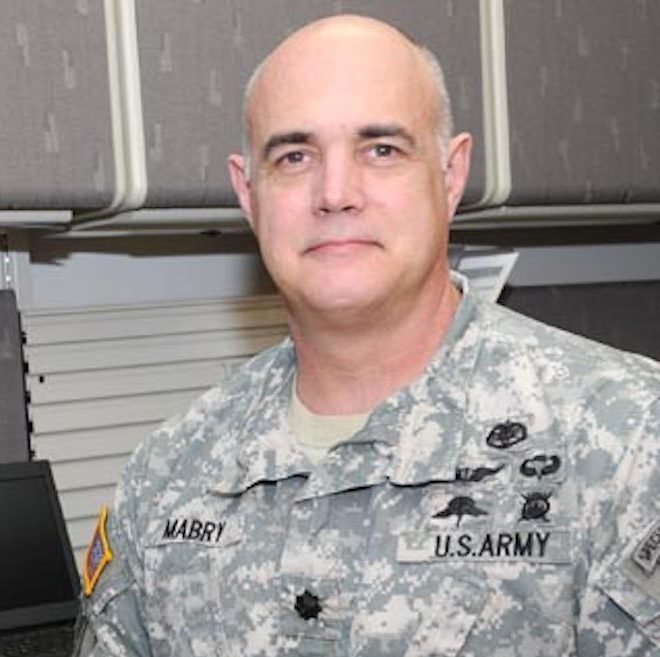
- Retired Army Col. Robert Mabry, who served as an enlisted Special Forces medic during the battle, was awarded the Silver Star for his actions taken during the 17-hour firefight. He went on to attend medical school, serving in the Army as a doctor, and helped revamp the Army’s Combat Lifesaver Program, according to the National Museum of Civil War Medicine.
- Army Sgt. John Macejunas, a former Ranger turned Special Forces operator, also fought to reach the downed helicopters. Little information is available about what Macejunas did over the course of the battle, but he was awarded the Silver Star.
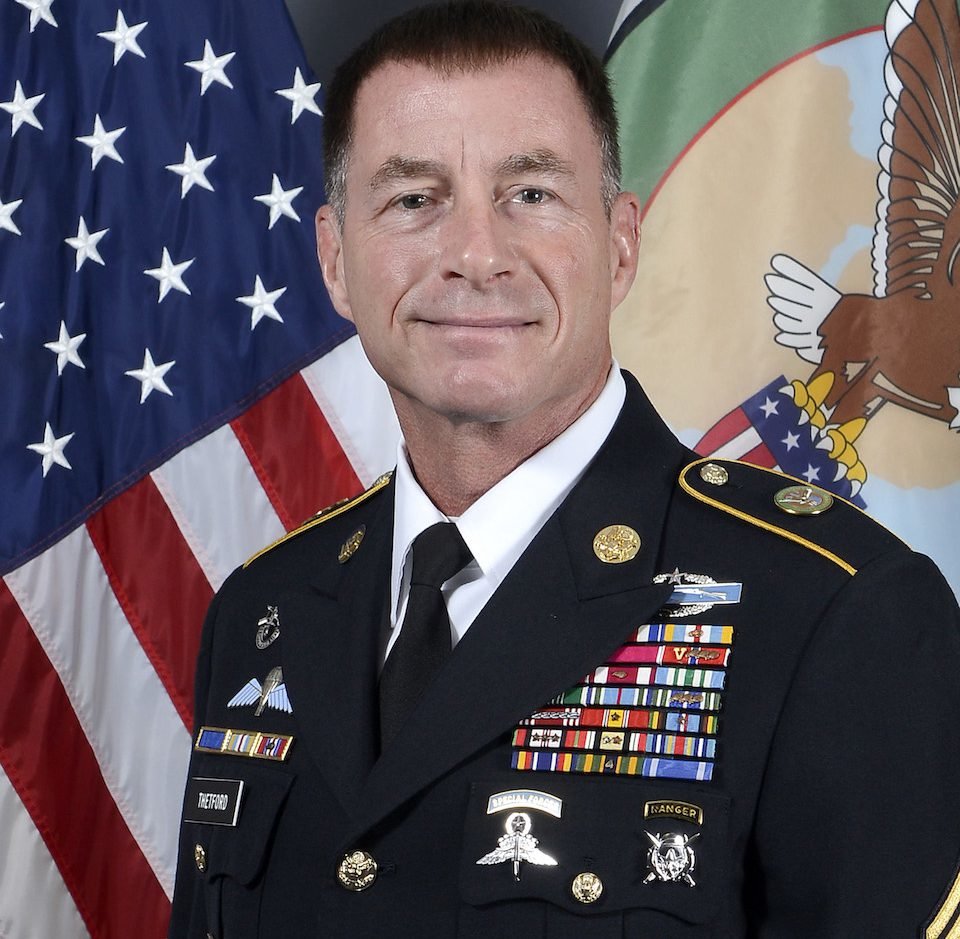
- Retired Army Sgt. Major William Thetford, another Special Forces operator with a limited dossier available to the public, was also awarded the Silver Star.
The final decision to award the Medals of Honor lies with Biden, while the Distinguished Service Cross awards will be decided by Secretary of the Army Christine Wormuth.
Read Next: